Key Points for a Healing Home Sanctuary:
- Prioritize Lighting and Clear Pathways: Ensure your home is brightly and evenly lit, especially in pathways, and eliminate all clutter and tripping hazards, including loose rugs and unsecured cords.
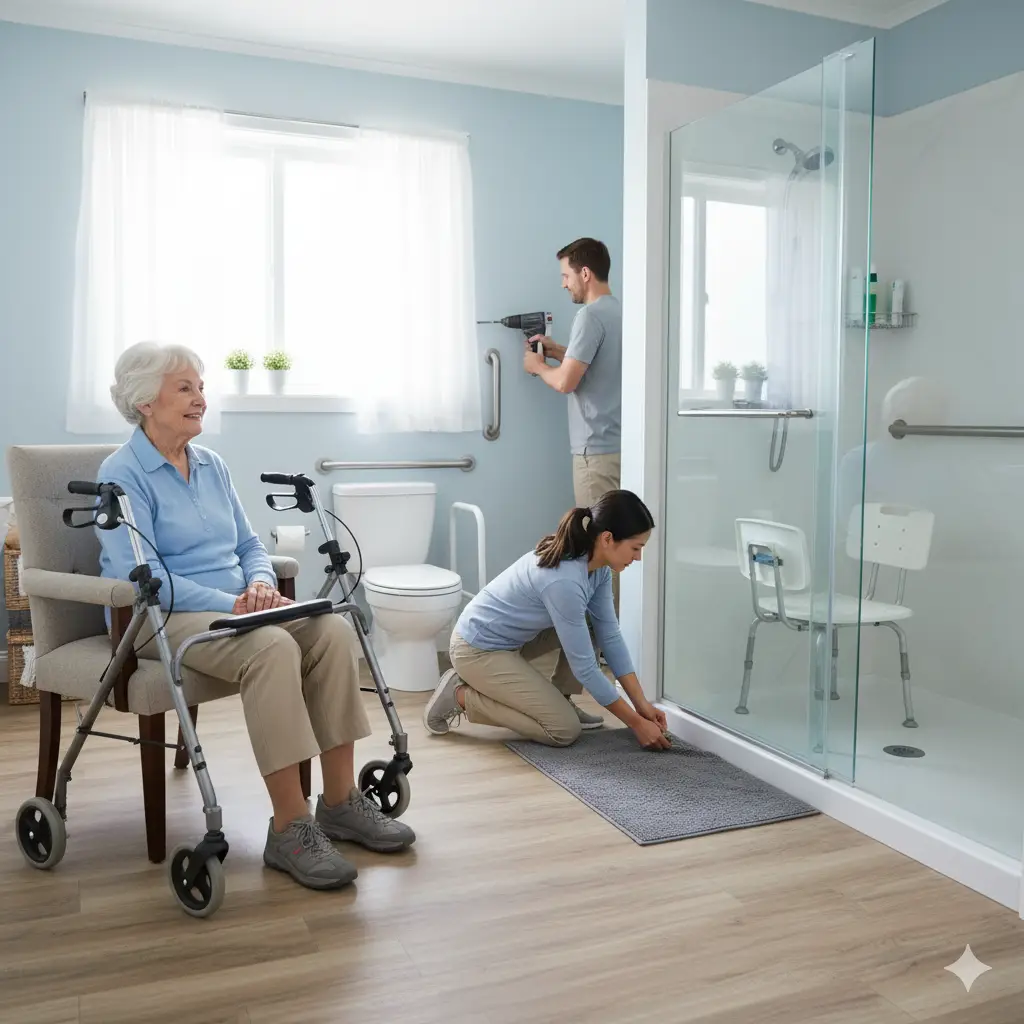
- Bathroom Safety is Paramount: Install non-slip mats, professionally anchored grab bars, a raised toilet seat, and a shower chair to prevent falls in this high-risk area.
- Personalized Support and Communication are Crucial: Use assistive devices like canes or walkers consistently and correctly, wear supportive footwear, and maintain open communication with your care team about any physical challenges.
Summary:
Navigating cancer treatment can bring physical challenges like fatigue and weakness, significantly increasing fall risks for older adults. This guide emphasizes proactive home safety adjustments that create a healing sanctuary, reduce fall risks, and support independence. Key areas include optimizing lighting, decluttering pathways, securing bathrooms, and making personal adjustments like appropriate footwear and consistent communication with your medical team to ensure a smoother recovery journey.
Practical Guide: Creating a Sanctuary for Healing
A cancer diagnosis, particularly for older adults, often presents a unique set of physical challenges. Treatments like chemotherapy, radiation, immunotherapy, and targeted therapies, while life-saving, can lead to side effects such as serious fatigue, muscle weakness, dizzy spells, and nerve damage (peripheral neuropathy). When these issues combine with pre-existing conditions, the risk of falls can dramatically increase, leading to serious injuries like fractures that may delay or even halt essential treatments. Beyond physical injury, falls can erode confidence, create a fear of movement, and threaten independence. The good news is that thoughtful, proactive adjustments at home can significantly reduce these risks and safeguard the entire recovery journey.
Section 1: The Foundational Principles of Home Safety (Easy Wins, Big Impact)
Before delving into specific rooms, three universal principles form the bedrock of home safety, especially when strength and balance may be compromised.
- Let There Be Light:
- Quality and Evenness: It’s not just about turning on lights, but ensuring bright, consistent illumination everywhere. Use the highest recommended wattage bulbs for fixtures.
- Strategic Night Lights: Place night lights in key pathways, hallways, bathrooms, and bedrooms for middle-of-the-night trips.
- Accessible Switches: Ensure light switches are easy to reach at the entrance of every room, preventing navigation in darkness.
- Why it Matters: Aging eyes naturally require more light, and cancer treatments can further impact vision or cause dizziness. Good lighting is a critical preventative measure, helping to avoid missteps, preventing shadows from concealing hazards, and reducing disorientation in dim areas. Optimal diffused light creates a consistent visual map, reducing the mental effort of navigation and conserving precious energy.
- Clear the Decks:
- Wider Pathways: The definition of clutter expands during treatment. Create genuinely wide, clear pathways throughout the home, especially if using a cane or walker.
- Secure Cords and Tubing: Pay close attention to electrical cords, phone chargers, oxygen tubing, and infusion lines. Secure these along walls using tape or cord organizers to get them completely out of the way.
- Manage Medical Clutter: Oxygen concentrators, IV poles, and even daily pill bottles can become constant obstacles. Smart integration and organization are key to having access to essentials without compromising safe movement, minimizing both physical trip risks and mental exhaustion.
- Rethink the Rugs:
- Remove Throw Rugs: Research shows throw rugs are among the most common tripping hazards. Their curling corners, bunching, and sliding can easily catch a foot or walker leg. The safest advice is to remove them entirely.
- Secure Area Rugs: If an area rug absolutely must be kept, it requires a non-skid backing and all edges must be firmly taped down to the floor with double-sided carpet tape.
- The Science: Studies indicate throw rugs are involved in over a third of indoor falls for older patients, with the risk climbing with gate instability from treatment. When fatigue, dizziness, or neuropathy kick in, the brain’s automatic corrections for these subtle hazards can fail. Removing or meticulously securing rugs is a high-impact change addressing a common and proven fall trigger.
Section 2: Room-by-Room Safety Enhancements
With the foundational principles in mind, let’s tour the home, pinpointing specific hazards and fixes.
- The Bedroom: Your Ultimate Sanctuary:
- Bed Height: When sitting on the edge of the bed, your feet should be flat on the floor. A bed that is too high risks loss of balance when getting out, while one too low creates strain to stand, especially with weakness. Consider an adjustable frame or a foam mattress topper to tweak the height.
- Sturdy Bed Rail: A sturdy bed rail provides excellent support for moving around in bed or for getting in and out, offering leverage and a sense of security.
- Nightstand Essentials: Keep everything you might need during the night within easy arm’s reach on the nightstand. This includes a lamp, phone, water, tissues, key medications, and a flashlight for power outages.
- Assisted Dressing: Due to cancer-related fatigue, simple tasks like getting dressed can be monumental. Sit on the edge of the bed or a sturdy chair while dressing and putting on shoes. Use long-handled tools like shoe horns and sock aids to reduce the need to bend over, which can cause dizziness or instability.
- The Bathroom: The Most Dangerous Room for Falls:
- Non-Slip Surfaces: Use non-slip mats or sticky decals inside the tub or shower. On the floor outside, always use a bath mat with a non-skid rubber backing. Immediately wipe up any water on the floor, as every drop is a potential slip.
- Professionally Installed Grab Bars: Instantly grabbing a towel rack when unsteady is a common mistake; towel racks are not designed for weight bearing and can pull out of the wall. Professionally installed grab bars, properly anchored into wall studs, are non-negotiable and can cut bathroom falls by up to 50%.
- Toilet Safety: A raised toilet seat or a toilet safety frame with armrests makes getting up from a standard low toilet much easier, reducing strain and fall risk.
- Bathing with Ease: A durable shower chair or tub transfer bench allows you to sit while washing, conserving energy and massively reducing slip risk. A handheld shower head further enhances ease and safety.
- The Kitchen: Heart of the Home, Source of Nourishment:
- Accessible Arrangement: Move everyday items like plates, glasses, mugs, and common foods to lower cabinets and shelves, ideally between waist and shoulder height. This minimizes reaching high or bending low, which can cause imbalance, dizziness, or strain.
- Step Safely: Never use a kitchen chair as a step ladder. Instead, invest in a proper, stable step stool with a wide base and a handrail for secure support when reaching higher items.
- Manage Spills: Clean up any spills – water, oil, dropped food – immediately. A slippery kitchen floor is a major fall hazard.
- Living Areas and Stairways: Transit and Relaxation:
- Furniture Layout: Arrange sofas and chairs to create clear, wide walkways without obstacles.
- Supportive Furniture: Choose chairs that are firm, not too squishy, and importantly, have armrests for vital leverage when standing up. Be wary of low, deep, soft chairs that can be incredibly difficult to get out of when strength is low.
- Stairway Lighting: Ensure stairways are exceptionally well-lit, with switches at both the top and bottom.
- Sturdy Handrails: Install sturdy handrails on both sides of the staircase, if possible, for maximum support.
- Non-Slip Treads: Check stair treads for wear or slipperiness; consider adding non-slip strips for extra grip.
- Clear Stairs Only: Never store anything on the stairs – books, shoes, laundry baskets. Clear stairs are a golden rule for safety.
Section 3: Personal Habits and Empowering Tools
Extending the safety mindset to your own body and habits is equally vital.
- Footwear Matters:
- Supportive Shoes: Wear supportive, well-fitting shoes with a low heel and crucial non-skid soles.
- Avoid Barefoot/Loose Slippers: Strongly advise against walking around barefoot, in socks, or in loose, backless slippers, as they dramatically increase fall risk.
- Energy Conservation: The right shoes not only provide better grip but also help conserve energy by improving gait stability, which is especially important when dealing with neuropathy or changes in foot sensation/strength.
- Use Your Tools:
- Consistent Use of Assistive Devices: If your doctor or physical therapist has recommended a cane or walker, use it consistently.
- Correct Sizing: Ensure it’s sized correctly – your elbow should be slightly bent when holding the grip. These tools are instruments of enablement, not signs of weakness, helping to maintain strength and independence.
- Communicate with Your Team:
- Open and Honest Reporting: Be open and honest with your cancer care team. Report any feelings of dizziness, weakness, unsteadiness, numbness, or tingling in your feet (potential peripheral neuropathy).
- Team Adjustments and Referrals: Your team may adjust medications, explore other options, or refer you to physical or occupational therapy (PT and OT). PT and OT can provide targeted support, adaptive strategies, and exercises to improve strength, balance, and gait.
- Continuity of Care: This communication loop is vital for providing the best support, keeping your treatment plan on track, and avoiding delays from preventable injuries like falls. Reporting symptoms is proactive and empowered self-management.
Conclusion: A Holistic Approach to Healing
Creating a safe home environment during cancer recovery is an ongoing process, not a one-time task. It’s a profound act of self-care and a tangible way to regain control. Don’t hesitate to ask family and friends for help with moving furniture, installing grab bars, or general support in this effort.
By transforming your home into a fortress of safety, you protect yourself from injury, enable your medical team to deliver timely treatment, and gain invaluable peace of mind. This holistic approach empowers you to focus on what truly matters: your healing and quality of life, building a strong foundation for every step forward.