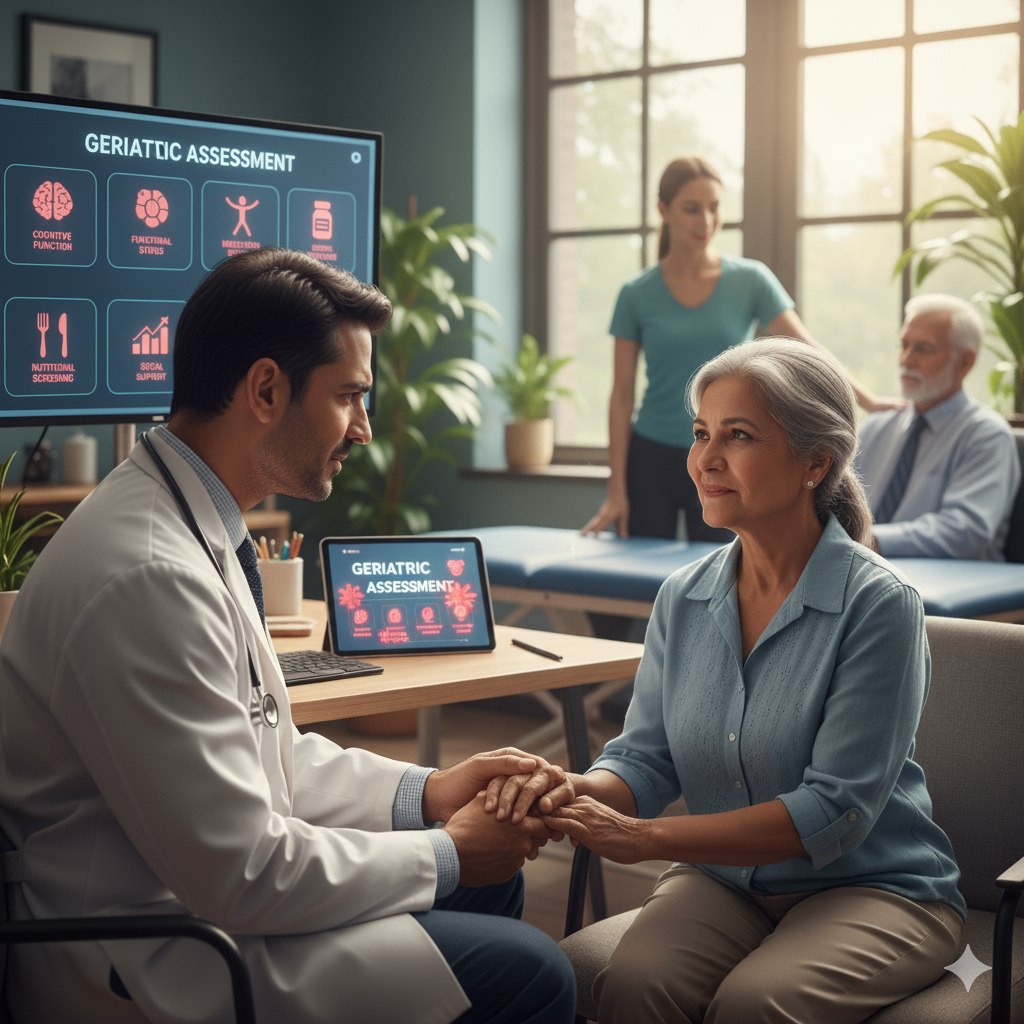
As Dr. Armin Shahrokni, MD, MPH, with over 12 years of experience caring for older adults with cancer, I’ve witnessed firsthand the unique challenges and triumphs in this specialized field. I recall a patient, a vibrant 85-year-old, diagnosed with an aggressive lymphoma. Initially, the team was hesitant about intense chemotherapy due to her age. However, a comprehensive geriatric assessment revealed her remarkable functional status and strong support system. We tailored a plan, and she not only tolerated treatment well but also regained her independence, enjoying quality time with her grandchildren. This experience reinforced my belief: age is just a number; functional age and holistic care are paramount.
Key Points for Older Adults and Caregivers:
- Age is More Than a Number: Your chronological age is less important than your overall health, activity level, and vitality when considering cancer treatment options. A comprehensive geriatric assessment helps determine the best approach.
- Caregivers are Essential: No one should face cancer alone. Caregivers are indispensable members of the medical team, providing crucial support, managing logistics, advocating for the patient, and offering emotional comfort.
- Personalized Treatment is Key: Modern cancer care offers a range of tools, from traditional chemotherapy to targeted therapies and immunotherapy. Doctors can tailor treatments based on the cancer type, stage, and the individual patient’s health, support system, and preferences.
- Managing Side Effects: While treatments are becoming smarter, side effects can still occur. Understanding common side effects like fatigue, nausea, mouth sores, and increased infection risk, and knowing how to manage them, is vital for maintaining quality of life during treatment.
Understanding the Nuances of Cancer Treatment for Seniors
The landscape of cancer care for older adults is unique, demanding a holistic and personalized approach. Unlike younger patients, older individuals often present with distinct physiological differences and co-morbidities that influence treatment effectiveness and tolerance. Kidneys and liver, for instance, may function less efficiently with age, impacting how chemotherapy drugs are processed and cleared from the body, leading to potential toxicity. This necessitates meticulous dosing and close monitoring. Furthermore, older adults frequently manage multiple chronic conditions like heart issues, diabetes, or high blood pressure, which can interact with cancer treatments, adding layers of complexity to care.
To navigate these challenges, a geriatric assessment goes beyond standard physicals, evaluating strength, memory, nutritional status, and mobility to create a complete functional picture. This assessment empowers doctors to tailor treatment plans, leveraging strengths and mitigating risks, ensuring that life-saving interventions are not automatically dismissed due to age alone. The evolution of cancer therapies, including precise targeted therapies and immune-boosting immunotherapies, offers more options with potentially fewer severe side effects compared to traditional chemotherapy, further enhancing the possibilities for older patients. The overarching goal is not just to fight the cancer effectively but to preserve and enhance the patient’s quality of life throughout their journey.