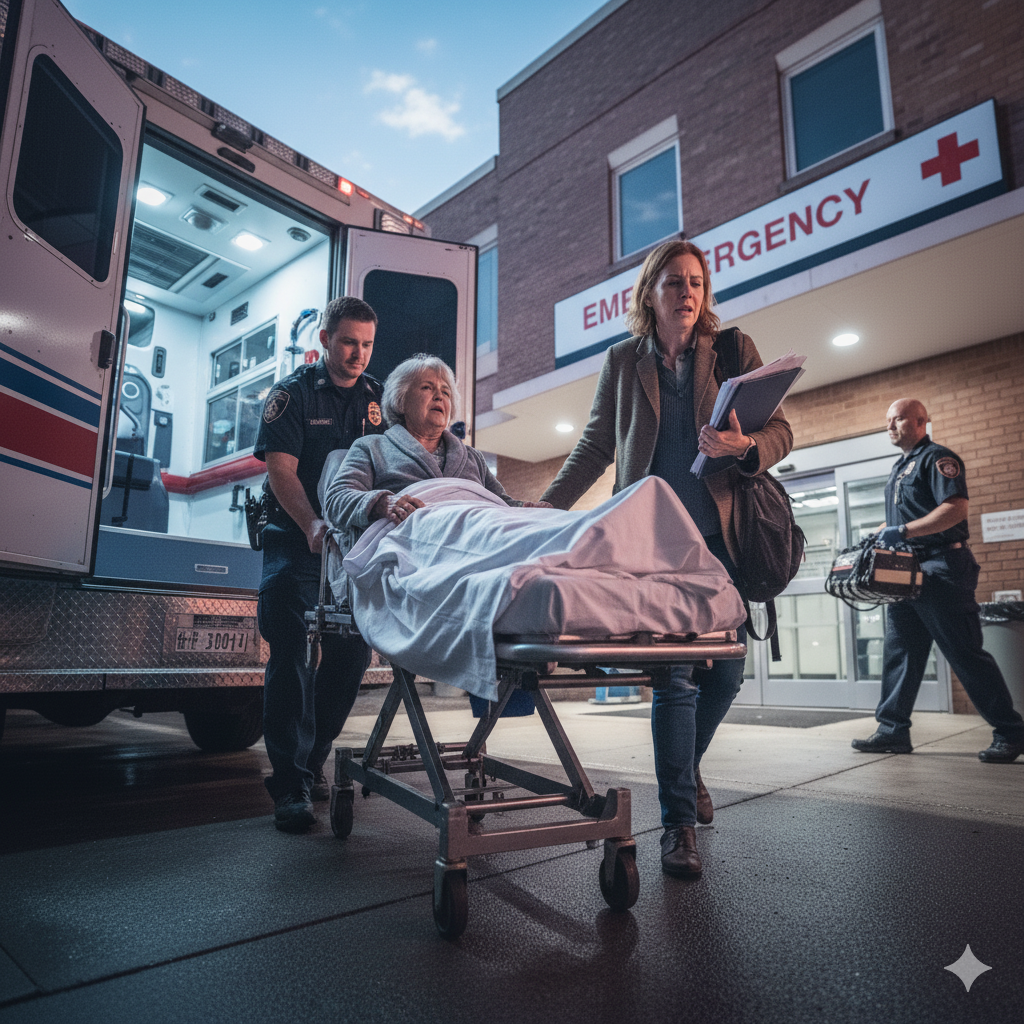
Facing a cancer diagnosis, especially as an older adult, comes with many challenges. For caregivers, one of the most stressful experiences can be an unexpected, middle-of-the-night dash to the Emergency Room. In those first few moments, adrenaline floods your system. The chaos, the fear, and the frantic scramble to find shoes, keys, and vital information can feel completely overwhelming.
But what if you could face that moment not with panic, but with a sense of calm control? This video offers a powerful tool to do just that: The “Go Bag.”
This isn’t just a bag with a change of clothes. It’s a pre-packed, comprehensive kit designed to help you advocate for your loved one and manage the marathon of an ER visit. Having this bag ready is an act of foresight that turns you from a panicked reactor into a prepared, confident, and effective partner in their care.
Here’s how to build your Go Bag, broken into three essential parts.
1. The Patient Packet: The “Brain” of the Bag
In an emergency, information is power. This packet contains all the critical information the ER team needs, saving precious time, preventing dangerous mistakes, and ensuring your loved one gets the right care, fast.
- The Master Medication List: This is the single most important paper you will carry. It must include everything—prescriptions, over-the-counter meds, vitamins, supplements, herbal remedies, and even eye drops or skin creams. List the name, dose, and frequency. This is vital to prevent dangerous drug interactions, which can be a huge risk for older adults on multiple medications.
- The “Face Sheet”: A clear, one-page summary with:
- Copies of their ID and insurance cards (front and back).
- Copies of legal documents, especially the Healthcare Proxy or Power of Attorney. This paper legally says who makes decisions if they can’t. Without it, doctors may be forced to wait for legal clearance, causing critical delays in care.
- A list of all doctors (primary care, oncologist, cardiologist, etc.) with their office phone numbers.
- The Medical Snapshot: A simple, one-page list of major diagnoses, past surgeries (with approximate dates), and any known allergies (especially to medications like penicillin or contrast dye). It’s also helpful to list any recent hospitalizations or major procedures.
- The Baseline Statement: This is a brilliant tool for an ER team who doesn’t know your loved one. It’s a short paragraph describing their normal physical and mental state. For example: “Normally, my mother is alert, lives at home, and manages her own meds. For the past day, she has been very sleepy and confused.” This instantly tells the ER team what’s new and different, helping them distinguish a new, acute problem from a chronic condition.
2. The Caregiver Kit: Sustaining the Supporter
An ER visit is often a marathon, not a sprint. You may be there for hours, or even days. You cannot advocate effectively, ask good questions, or make clear-headed decisions if you are exhausted, hungry, and stressed. This kit is for you.
- The Tech Trio: Your phone, a wall charger with an extra-long cable (hospital outlets are always in the most inconvenient places), and a portable power bank. A dead phone is a crisis within a crisis, cutting you off from family updates, a quick-search for a medical term, or a much-needed moment of distraction.
- Notebook and Pen: Your brain will be overloaded with new information and stress. Write down doctors’ names, what they say, and your questions as you think of them (e.g., “What is the next step?” “Who is the main doctor in charge?”). This becomes your objective record and ensures you don’t forget a crucial question.
- Fuel and Comfort: A reusable water bottle and non-perishable snacks (like granola bars, almonds, or pretzels) are non-negotiable. Hunger and dehydration fog your brain and shorten your temper. Also, pack a warm sweater, pashmina, or small blanket—hospitals are universally freezing. Tending to your own basic comfort is not selfish; it’s essential for staying sharp.
- Small Personal Items: A travel toothbrush/toothpaste, lip balm, and any personal daily medication you need. A small act like brushing your teeth after 12 hours in a plastic chair can feel like a mental reset button, helping you recharge just enough to keep going.
3. The Patient Comfort Pouch: For Dignity and Calm
A sterile, bright, and loud ER can be terrifying and disorienting, especially for an older adult who is already sick and scared. This small pouch helps reduce their fear, preserve their dignity, and protect their connection to reality.
- Sensory Saviors: These are “non-negotiable.” Bring clearly labeled hard cases for their eyeglasses, hearing aids (with extra batteries!), and dentures. Being unable to see, hear, or speak properly is terrifying. This sensory deprivation is a direct path to severe confusion and hospital-induced delirium, a serious condition that can lead to longer stays and a decline in health.
- Warm “Grippy” Socks: Hospital floors are cold and notoriously slippery. Warm, non-skid socks provide both essential comfort and, most importantly, crucial safety by reducing the risk of a dangerous fall.
- A Piece of Home: A few small, familiar items can be incredibly grounding. Their own toothbrush, hairbrush, or a familiar-scented hand lotion can help them feel a bit more like themselves in a place that can feel very dehumanizing.
More Than a Bag: It’s a Mindset
Packing this bag is an act of love and profound foresight. It fundamentally shifts your role from someone who is just “reacting” to a crisis to someone who is an active, prepared, and confident member of the care team. It frees you from the frantic scramble for logistics and allows you to focus your energy where it’s needed most: on your loved one.
With this bag by the door, you can walk into that chaotic ER, take a deep breath, and calmly say, “I’m ready. I have the information you need. We have what we need to get through this.” It allows you to be their advocate, their shield, and their calm, strong voice.
We hope this helps you feel more empowered and ready for whatever comes next.