For older adults, major cancer surgery presents a unique set of challenges where chronological age alone is a poor predictor of risk. A groundbreaking study investigated a more supportive way to care for these patients: a “team approach” called geriatric comanagement, where specialists in senior care work alongside surgeons throughout the surgical journey.
This collaborative model is comprehensive. Before surgery, the geriatrics team performs a detailed assessment to identify vulnerabilities that might otherwise be missed, such as frailty or nutritional deficits. They educate patients and families on what to expect, focusing on proactive recovery strategies. After the operation, this team helps manage other medical conditions, carefully reviews medications to prevent complications like delirium, encourages early mobility, and ensures pain is well-controlled.
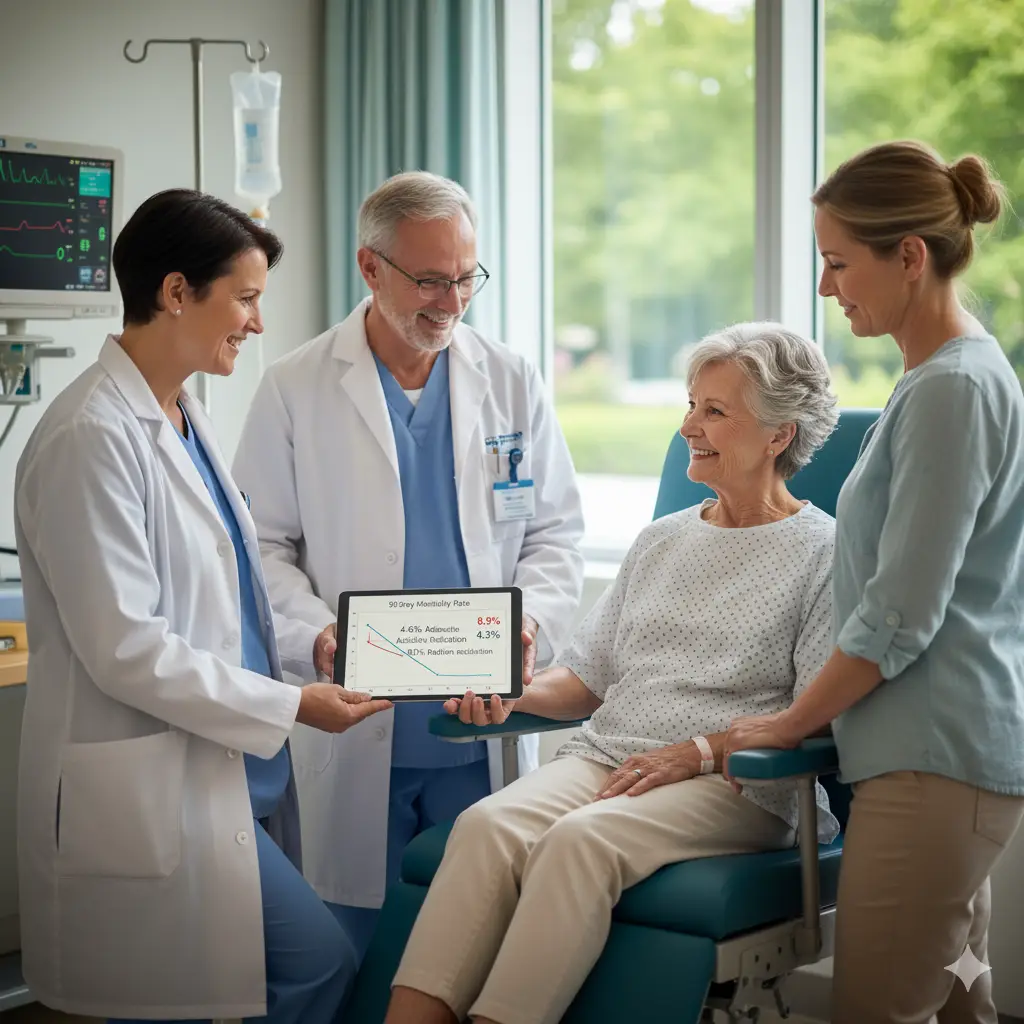
The study analyzed outcomes for 1,892 cancer patients aged 75 and older at a single cancer center. The results were dramatic. After accounting for various health factors, the risk of death within 90 days of surgery was nearly cut in half for patients receiving this specialized team care. Their 90-day mortality rate was
4.3%, a significant drop from the 8.9% seen in those managed only by the surgical team.
Interestingly, this life-saving difference was not due to fewer immediate surgical complications, which were similar between the groups. The key was a substantial increase in supportive care. Patients in the comanagement group were significantly more likely to receive physical therapy (80.4% vs 63.6%) , occupational therapy (37.7% vs 25.2%) , and nutritional support. This holistic care likely improves a patient’s ability to withstand the stress of surgery and recover more effectively. Furthermore, these patients were more often discharged with planned home support services, ensuring a safer transition from the hospital. The study strongly suggests that this integrated approach is a crucial, life-saving strategy for older adults undergoing cancer surgery.