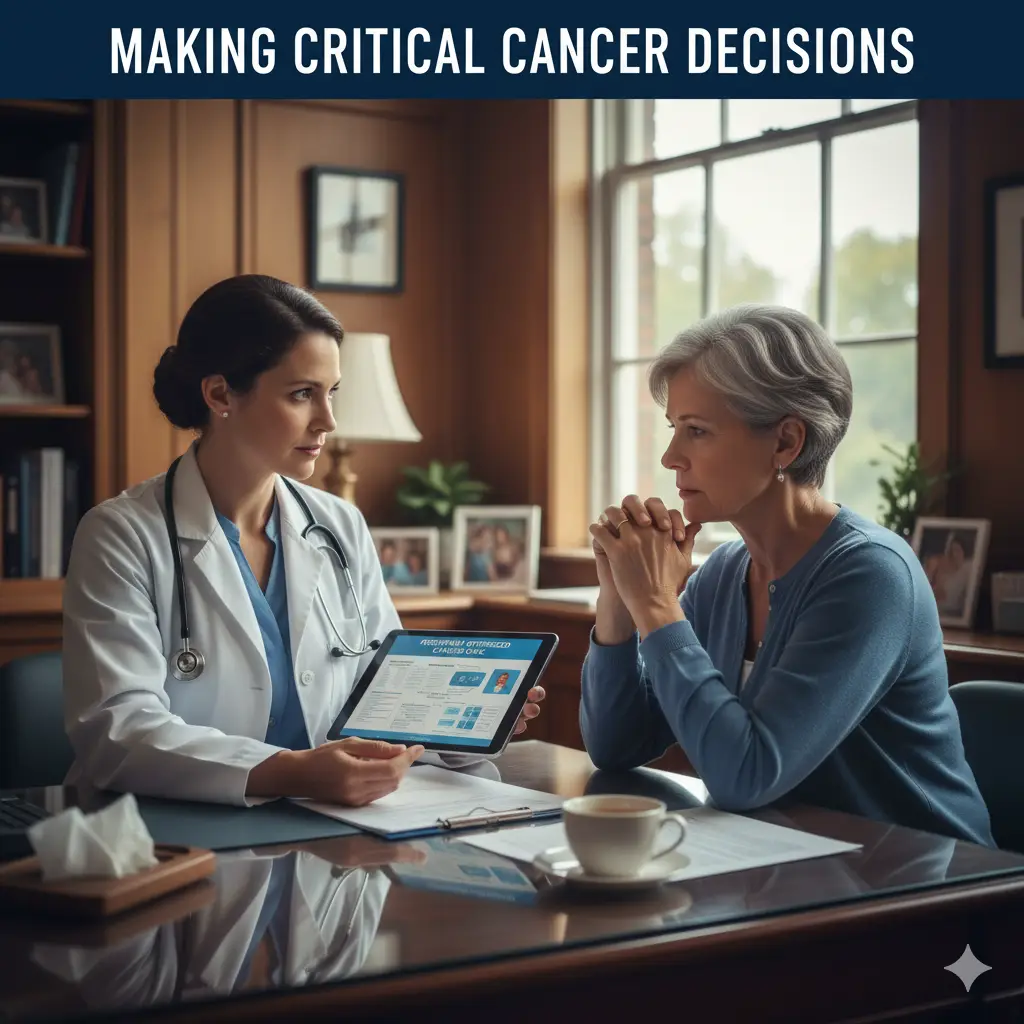
Making critical medical decisions, especially concerning cancer treatment for older loved ones, is a profound challenge. The video, “Cancer in Older Adults: How Doctors & Patients Make Tough Decisions,” delves into the complexities of decision-making for older adults with cancer, offering a principled framework to optimize these tough choices. It emphasizes balancing hopes, fears, and the unique realities of individual lives, aiming to minimize both undertreatment and overtreatment.
A significant hurdle in this process is the “evidence gap.” Clinical trials often involve healthier, younger patients, leaving oncologists with uncertainty when treating older, frailer adults. To navigate this, a powerful decision framework is proposed, built on three key principles:
- Assessing Vulnerability with Geriatric Assessment (GA): This isn’t just about chronological age. GA helps determine a patient’s resilience for intensive treatments versus their risk of toxicity due to frailty. It also helps estimate life expectancy, which provides crucial context for treatment choices.
- Weighing Benefits and Harms: Clinicians must consider if the cancer is likely to cause symptoms within the patient’s remaining lifespan, independent of the cancer. They also need to evaluate if the benefits of a treatment, such as tumor shrinkage, genuinely translate into improved function or quality of life—outcomes often overlooked in traditional trials. Crucially, the harms of treatment are not one-size-fits-all. A treatment’s toxicity can vary significantly based on a patient’s underlying health status and frailty, with examples highlighting how intensive treatments can lead to high mortality and functional decline, even if the cancer responds. GA tools are proving more effective at predicting these toxicities than traditional measures.
- Incorporating Values and Preferences: This is where the individual’s desires truly come into play. Older patients often prioritize quality of life, maintaining independence, and avoiding hospitalizations over merely extending life at all costs. Validated tools and conversation guides can help patients articulate their specific priorities and fears. The “best case/worst case scenario” approach can help patients visualize potential outcomes more concretely, making trade-offs more tangible.
Real-life decision-making is also deeply embedded in family dynamics. Caregivers often play a significant role, and potential biases like ageism (negative stereotypes about aging) can unconsciously influence decisions. The framework stresses the importance of active engagement with both patients and their caregivers, promoting trust and clear communication to understand individual perspectives. True informed consent requires understanding the disease, treatment options, likely outcomes (good and bad), and prognosis. Palliative care involvement has been shown to improve this understanding and align care with preferences.
Ultimately, this principled approach—integrating geriatric assessment, weighing benefits and harms in light of vulnerability, and honoring patient values—is essential for avoiding biased, uninformed decisions. It ensures that cancer care for older adults is truly personalized, balancing effective treatment with preserving quality of life and aligning with what matters most to the individual.