After more than 12 years dedicated to the care of older adults battling cancer, I’ve seen countless stories unfold. One that often comes to mind is that of Mrs. Anya Petrova, a resilient woman facing advanced lung cancer. Her daughter, Elena, became her primary caregiver, initially overwhelmed and uncertain. I remember Elena’s eyes, filled with a mixture of love and fear, as she confessed, “Dr. Shahrokni, I want to help, but I just don’t know how.” It was in those moments that I truly understood the profound need for practical caregiver support, not just medical treatment.
Here are 3-5 key takeaways for caregivers:
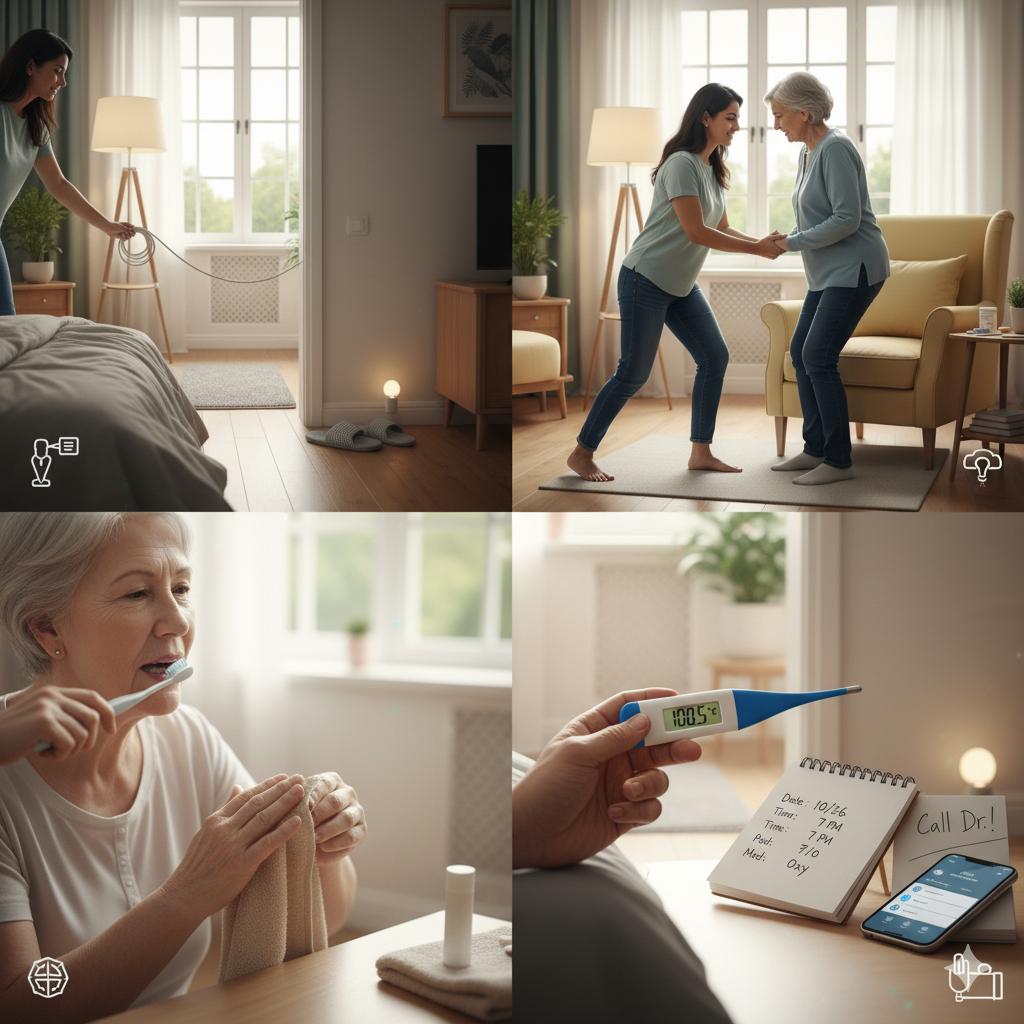
- Safety First: Prioritize fall prevention by securing the home environment.
- Empower Mobility: Learn proper techniques for assisting with standing and getting out of bed to prevent injuries to both the patient and yourself.
- Dignity in Hygiene: Understand gentle bathing and oral care practices to prevent complications and maintain comfort.
- Be a Vigilant Observer: Recognize critical “red flag” symptoms and know when to contact the oncology team immediately.
Caring for an older adult with cancer is an immense responsibility, often falling to family members who, like Elena, may lack formal medical training. Yet, these caregivers are absolutely essential to the patient’s well-being. The insights shared in “Empowering Cancer Caregivers: Essential Practical Skills & Support for Older Patients” highlight crucial areas where caregivers can make a significant difference.
It starts with creating a fall-safe home, a sanctuary from preventable accidents. This means more than just tidying up; it’s about proactively removing tripping hazards like throw rugs and securing loose cords. Installing secure grab bars in the bathroom—not just in the shower, but also beside the toilet—can be a game-changer. Remember, a fall doesn’t just break a bone; it can shatter confidence, leading to a fear of moving that creates its own set of problems.
Mastering safe techniques for assisting with mobility is equally vital. The “30-second rule”—having your loved one pause after sitting up before standing—is a simple but powerful tool to prevent dizziness caused by a sudden drop in blood pressure (orthostatic hypotension). It’s also critical for caregivers to use their legs, not their back, when assisting, protecting themselves from injury.
Furthermore, understanding the nuances of hygiene goes beyond cleanliness. A gentle bathing routine is also a critical opportunity for a skin check. Look for any new redness or sores, paying close attention to pressure points like the tailbone, hips, and heels. Catching these early can prevent painful pressure ulcers. Never underestimate the psychological lift that comes from feeling clean and refreshed; it’s a simple act that restores a powerful sense of dignity. Diligent oral care, using soft toothbrushes and non-irritating rinses, is also key to preventing painful mouth sores that can interfere with nutrition.
Finally, your role as a keen observer is one of your greatest strengths. This vigilance is paramount. When a fever strikes (100.4°F or 38°C), the instinct might be to give a fever-reducer. You must resist this urge until you’ve spoken with the oncology team. The fever is a critical signal of a potential infection; masking it can delay a necessary medical evaluation. Your detailed observations are not just helpful; they make you an indispensable partner in our shared goal of providing the best possible care.